
Taking safety seriously
Health and Safety is a critical aspect of maintaining a safe and productive workplace
We take Health and Safety at work procedures very seriously and consider it a critical aspect of maintaining a safe and productive workplace, ensuring the well-being of employees, contractors, and the public. It involves a combination of policies, procedures, and practices designed to minimize the risk of injury, illness, and accidents while promoting a safe and healthy work environment. An effective health and safety program addresses physical, mental, and environmental factors to ensure comprehensive protection for all individuals involved in the workplace.
Key Components of Workplace Health and Safety

Risk Assessments and Hazard Identification
We regularly assess potential hazards in the workplace. This includes identifying physical, chemical, biological, ergonomic, and psychosocial risks that could harm employees. Once hazards are identified, we implement control measures to reduce or eliminate these risks.
Personal Protective Equipment (PPE)
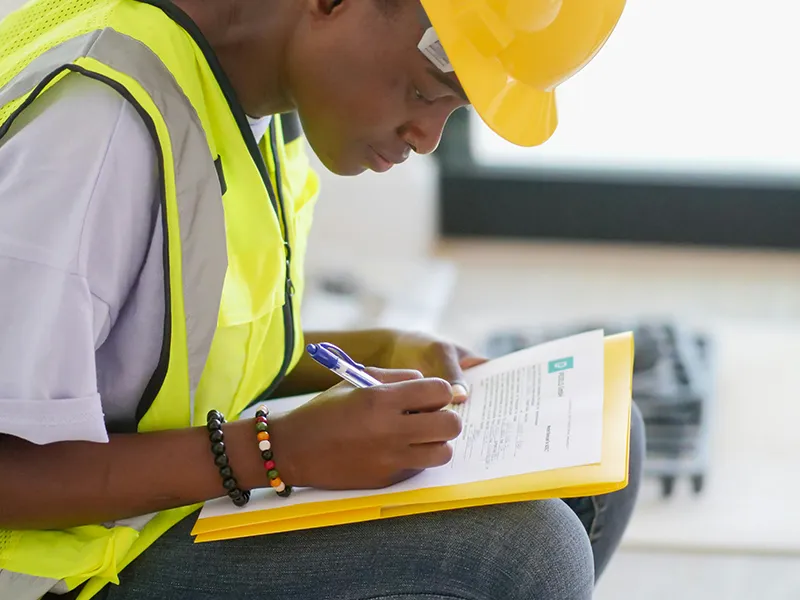
Depending on the nature of the work, our employees may be required to wear personal protective equipment such as helmets, gloves, safety glasses, hearing protection, or respiratory masks. PPE serves as a barrier to protect workers from exposure to hazards like chemicals, noise, and physical injury.
Training and Awareness Programs
Workers need to be educated about the hazards they might face and the correct procedures to minimize risk. Safety training programs are essential for ensuring that employees know how to operate machinery safely, respond to emergencies, and follow safety protocols.
Emergency Procedures and First Aid
In the event of an accident or sudden illness, it’s crucial to have established emergency procedures. This includes clear evacuation plans, access to first-aid kits, and the availability of trained first responders or emergency medical teams. Additionally, workers should be informed of the steps to take in emergencies, from chemical spills to fire or medical incidents.
Mental Health and Well-Being
Health and safety at work is not limited to physical health. Psychological hazards, such as stress, harassment, and burnout, can significantly impact employees’ mental well-being and productivity. Workplaces are increasingly recognizing the importance of mental health programs, including stress management initiatives, employee assistance programs, and creating a supportive work culture.

Accident Reporting and Investigation
Any accidents or near-misses are documented and investigated to determine the root cause. This process helps in identifying weaknesses in safety protocols and implementing corrective measures to prevent future incidents. It also fosters a culture of safety where workers feel empowered to report hazards and unsafe practices without fear of reprisal.
Continuous Improvement
Health and safety is an ongoing process that requires continuous evaluation and improvement. This can include revising policies, introducing new safety technologies, or enhancing training programs. Employee feedback, safety audits, and monitoring trends in incidents or near-misses help organizations improve their safety measures over time.
Conclusion
Health and safety at work is not just about compliance; it’s about fostering a culture where employees feel valued and safe. By focusing on risk management, proper training, and creating a supportive environment, organizations can ensure that they minimize harm to workers and enhance overall productivity. It’s a shared responsibility between employers, employees, and regulatory bodies to maintain a safe and healthy workplace

Contact us today
For your free, no obligation quotation, call us on 01689 859292, email helpdesk@londoncontracts.co.uk or click below to complete an enquiry form, were here to help you.